Mechanical Engineering · BYU–Idaho
Ready for any challenge. Driven by root-cause analysis.
I approach technical challenges with a strict diagnostic mindset. Whether it's diagnosing a system failure, optimizing a process, or building a physical mechanism, I focus on identifying the root cause and executing the solution.
ObserveDiagnoseModelBuildVerifyDocument
Featured work
Selected Projects
A cross-section of mechanical design, fabrication, and hardware integration work from coursework and independent builds.
View all projects →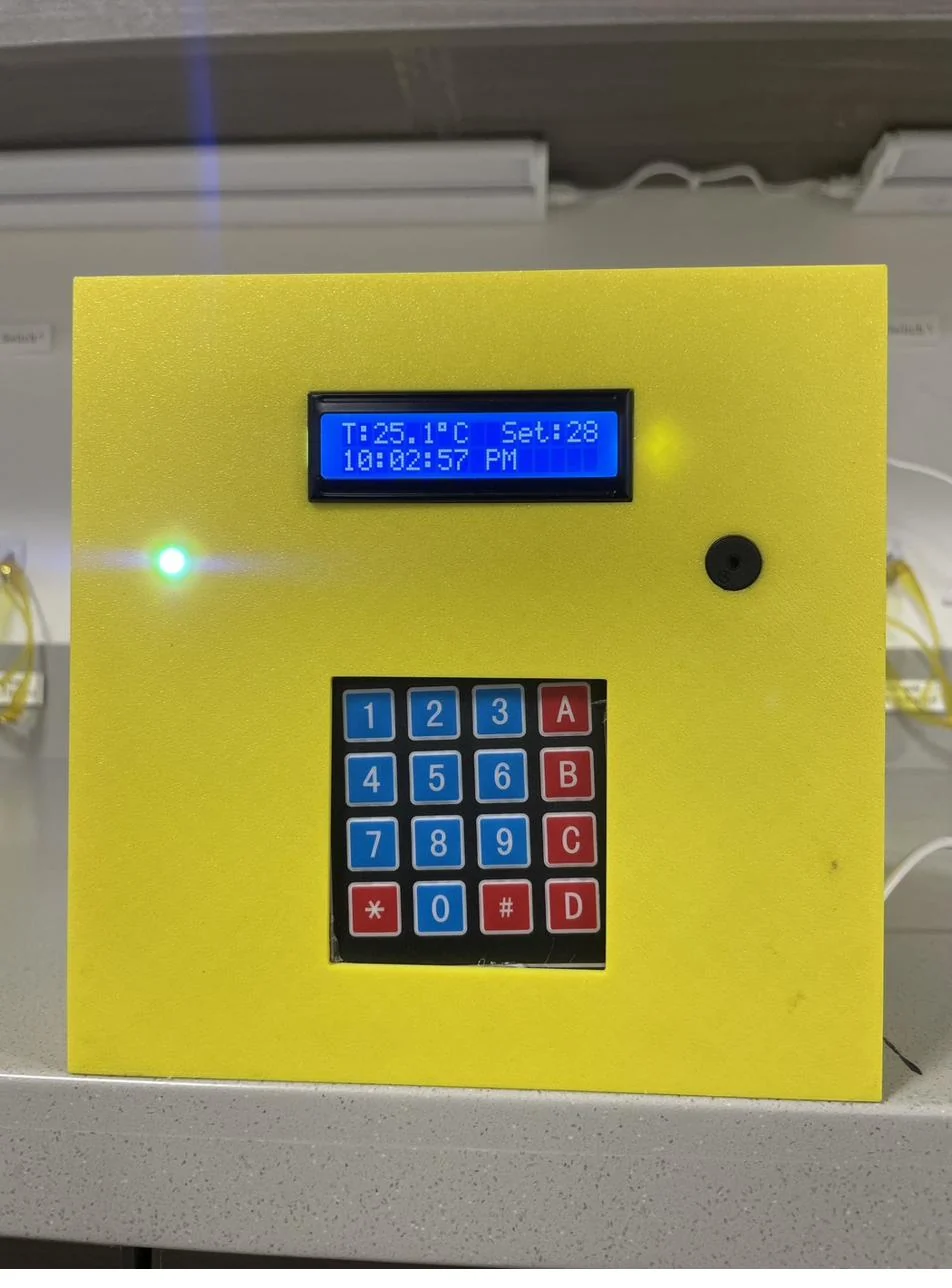
Thermogate
A temperature-actuated gate system with live sensor feedback, interior wiring management, and a labeled component layout.
±2°C setpoint target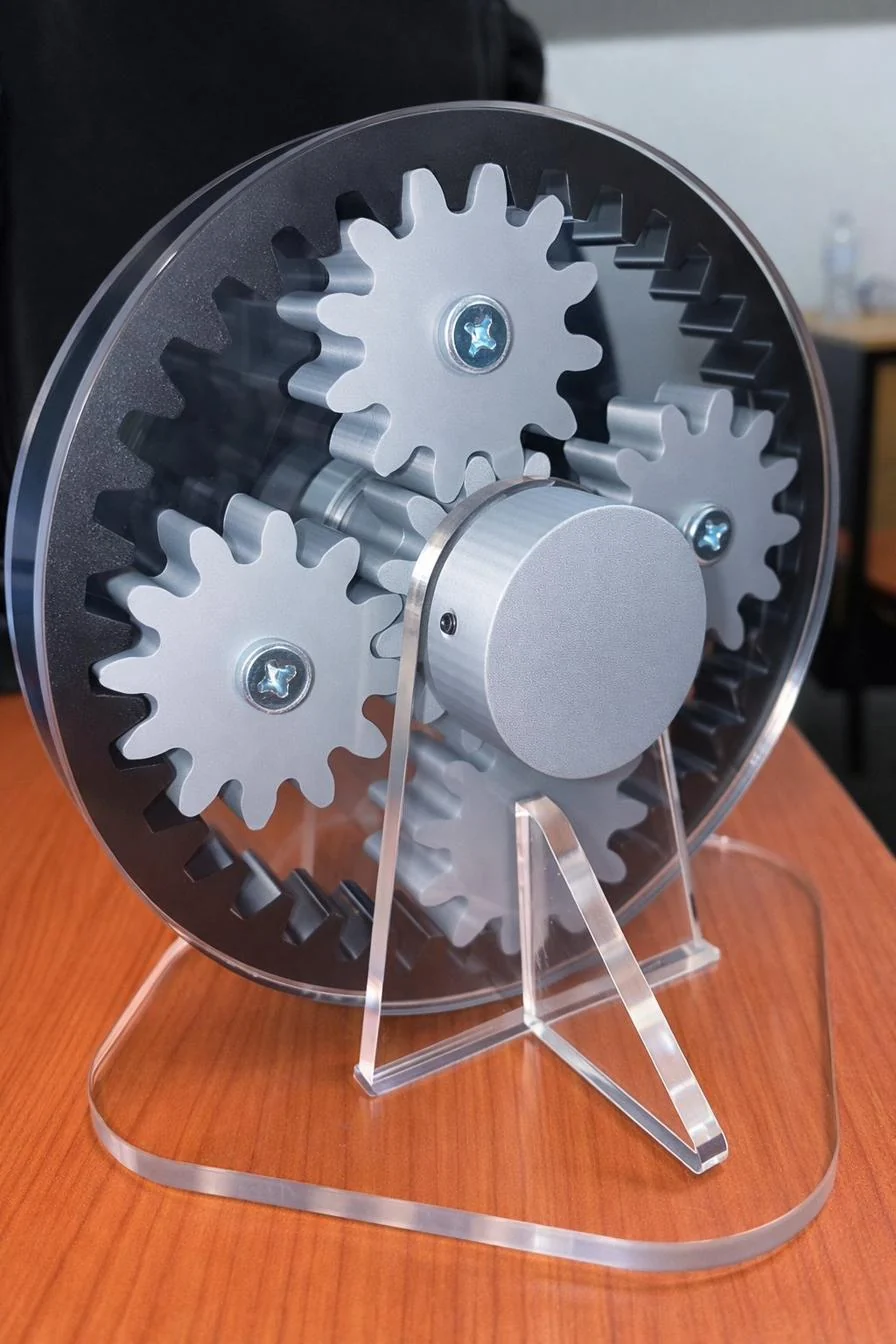
Planetary Gear System
Full SolidWorks design and physical assembly of a planetary gearbox, including exploded-view documentation.
4:1 gear reduction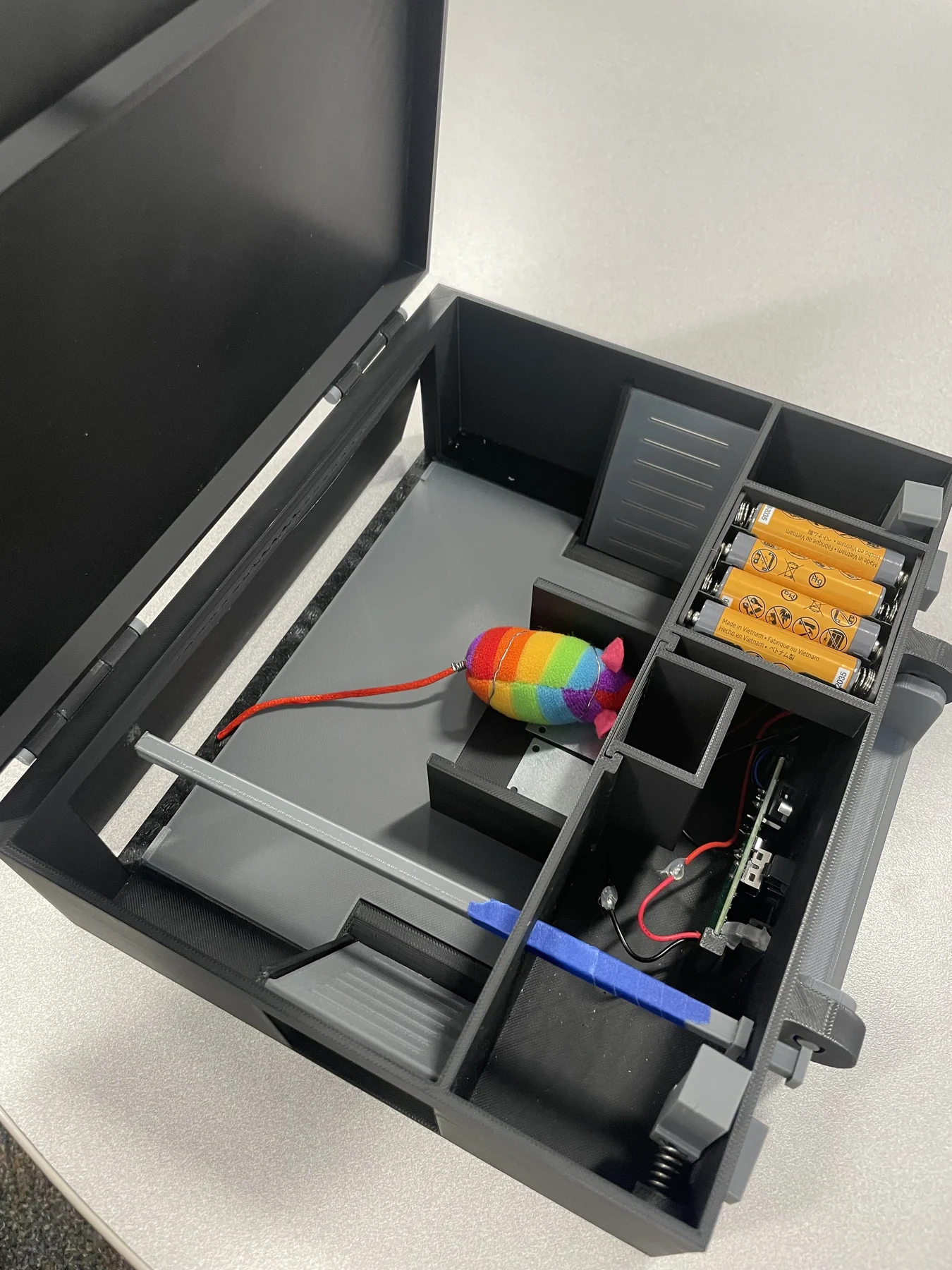
Automated Rat Trap
A self-resetting trap built into a briefcase-style case, with an electronic trigger, push-rod release, and locking hinges.
No-touch disposal concept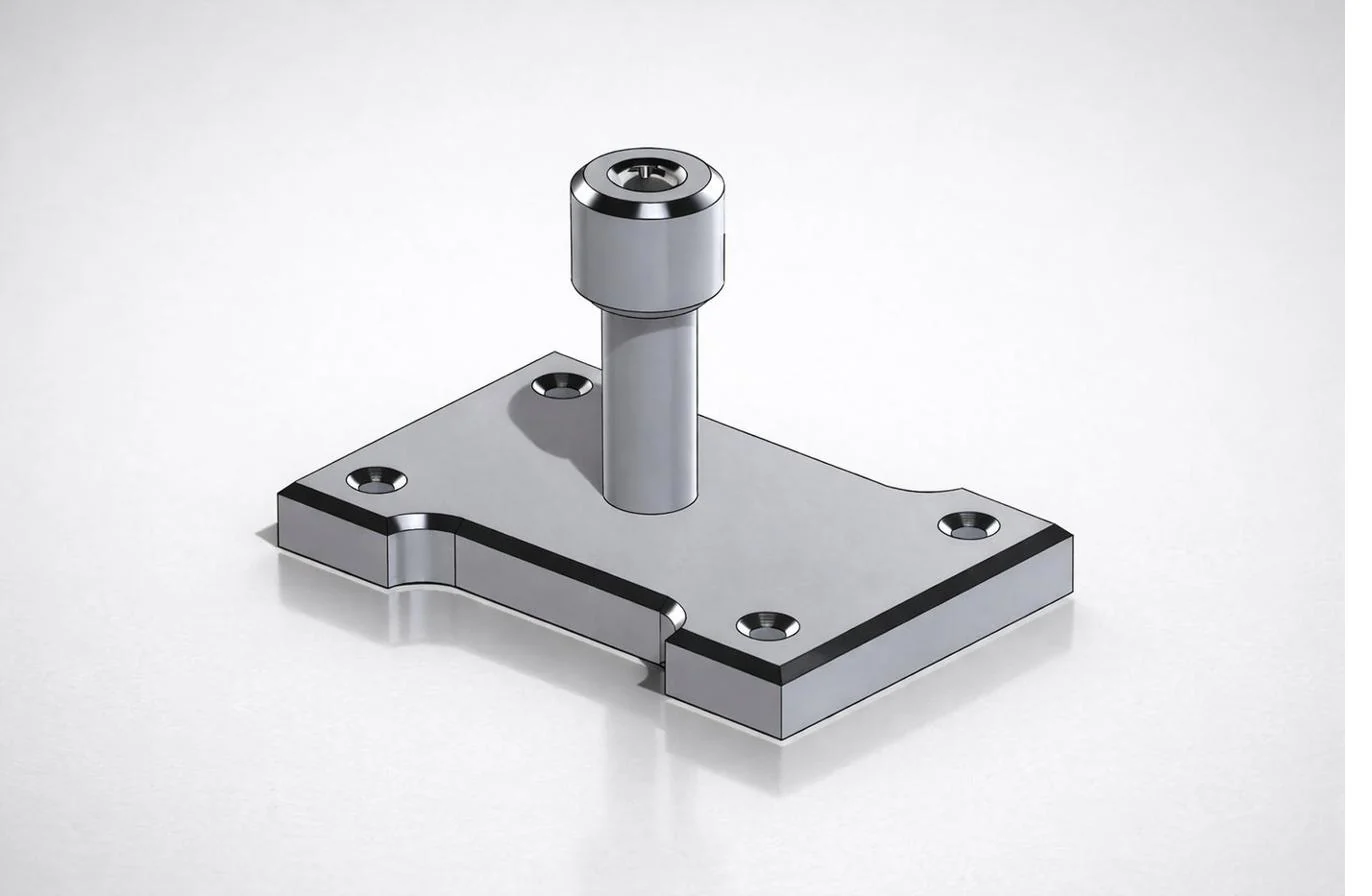
Hanger — CAD to Part
Precision SolidWorks model of a hanger component with physical prototype verification, demonstrating CAD-to-part workflow.
0.001 in tolerance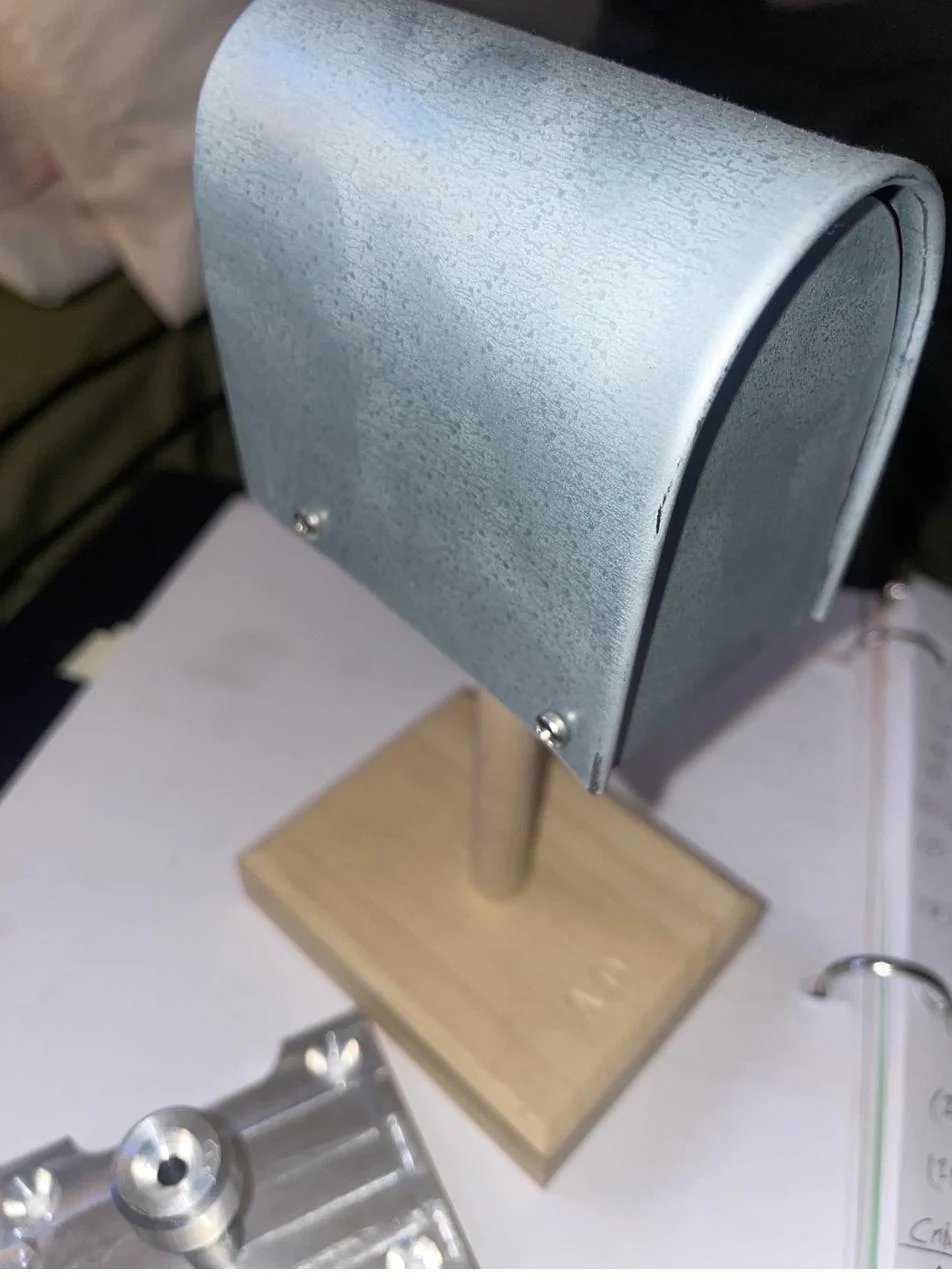
Mailbox Fabrication
A fabricated sheet-metal mailbox built to dimensional tolerances, demonstrating metal forming and fastening techniques.
±1/32 in fabrication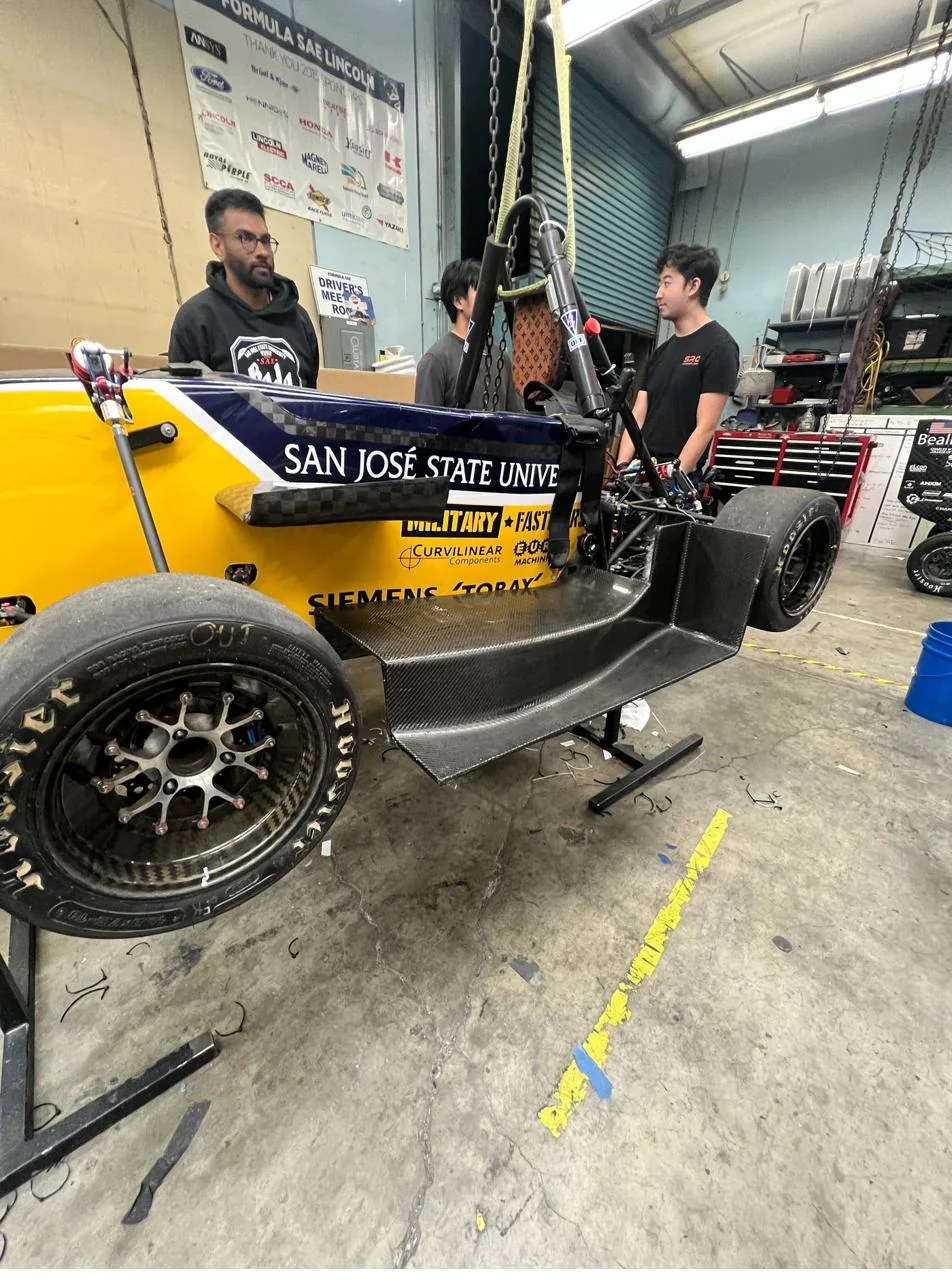
FSAE Wheel & Suspension
Contributed to wheel assembly, suspension geometry, and chassis work on a student-built Formula SAE race car.
Subsystem integration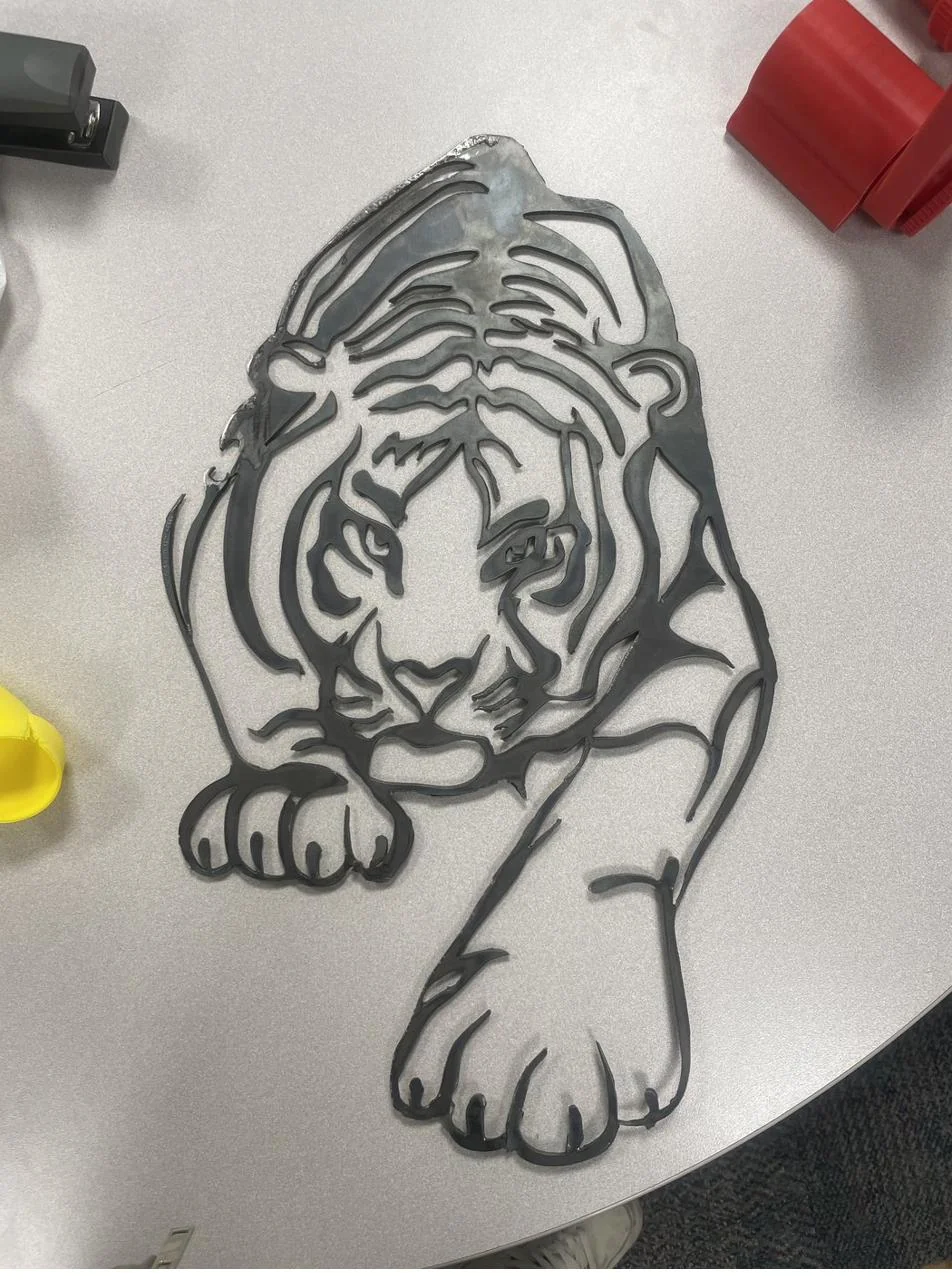
Laser-Cut Steel Tiger
Pattern designed in SolidWorks, laid out in sheet metal, and precision laser cut. Demonstrates the full CAD-to-fabrication workflow for flat-pattern manufacturing.
1/4 in steel artworkHow I work
Built on a diagnostic mindset.
Every project starts the same way: with a question. What's actually failing? What does the system need? I don't build until I understand the problem — and I don't stop until the data confirms the fix.
Root-cause the failure
Trace every symptom to its origin — a 5-Whys chain or a fishbone diagram — before changing a single dimension. A fix that skips diagnosis just relocates the failure.
Stack up the tolerances
Run the GD&T and tolerance stack-up before anything gets machined. A ±0.005 in. assumption that's wrong costs a re-cut; one that's verified costs five minutes.
Prototype, then break it
3D print or CNC a test article and load it past spec. FEA predicts where a part might fail; a physical part under load shows you where it actually does.
Log the deviation
Record every dimension, revision, and root cause in the design history file. An undocumented fix is a problem waiting to resurface on the next build.
Academic work
Study Papers
Written analyses, design proposals, and engineering investigations from coursework.
View all studies →ME-113 · ThermodynamicsWaste Heat Recovery from IndustryRead →ME 111 · Fluid DynamicsLaminar & Turbulent Flow StudyRead →ME 380 · Product DesignCPR PulseMate Device ProposalRead →Mechanical DesignElectronic Fin DesignRead →ME 370 · Machine DesignElastic Behaviour of Rigidly Constrained StructureRead →